Beginner Guide - Level 4
(Safety is Second to None)
You are getting closer and closer to hit the trail - where you'll surely transform from a eager 'rookie' into something more. But there's an invaluable level of wisdom Sponge is set to bestow first: safety. Nothing can ruin your journey faster than ignoring safety. Or worse, it could end your entire life.
Note: Clicking the product names or pictures on this blog will take you to Amazon product pages. Sponge receives a commission from purchases originating from these clicks.
Double Note: Sponge will NEVER link a product he does not stand behind. Also, Sponge has NEVER received free products or special treatment from companies.
First off, is First Aid
A mile of hiking is roughly 2,000 steps (give or take depending on your stride length). That's a lot of tiny opportunities to see the best nature has to offer. But just ONE bad step can bring a hike to a full halt. Sponge wants you to know this going in: you WILL fall. He did it 3 times on the Appalachian Trail, which wasn't too bad for 110 miles (or 2.2 million steps). That being said, even his falls were scary. The first step of being safe is having the right first aid for potential injuries. Try to think of it not in terms of IF you'll need it, but WHEN you'll need it.
Your med bag should be easy to access and fully waterproof (place it within a gallon ziploc if it is not). Within, there should be a simple combination of necessities, medicines and specialized treatment options. Check out Sponge's Top 10 Gear List - Safety / First Aid for some good ideas. Definitely don't skimp on band-aids and Leukotape for scrapes, cuts and blisters. When heading where there are ticks and bugs, bring a tick remover and Benadryl stick. And don't over-do the med-bag, loading it so full you can't find anything. On your Weekend Warrior weekends you'll get a feel for what you need more and less of.
There are some first aid items you may be tempted to carry, but are overkill. These include a snake bite / venom remover kit, a torniquet and extensive wraps or amounts of gauze. These are not terrible items - but if you learn some basic first aid techniques (even online tutorial videos are helpful), you'll soon realize you can make due with other items you already carry - like a handkerchief and Leukotape. The snake bite / venom remover kit is borderline useless - many medical professionals warn it can do more harm than good.
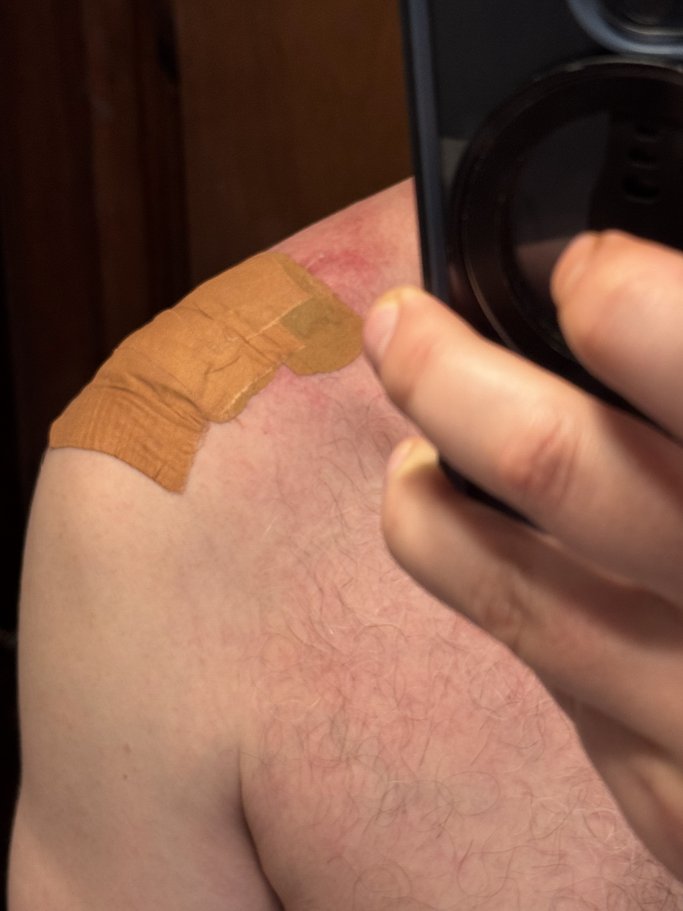
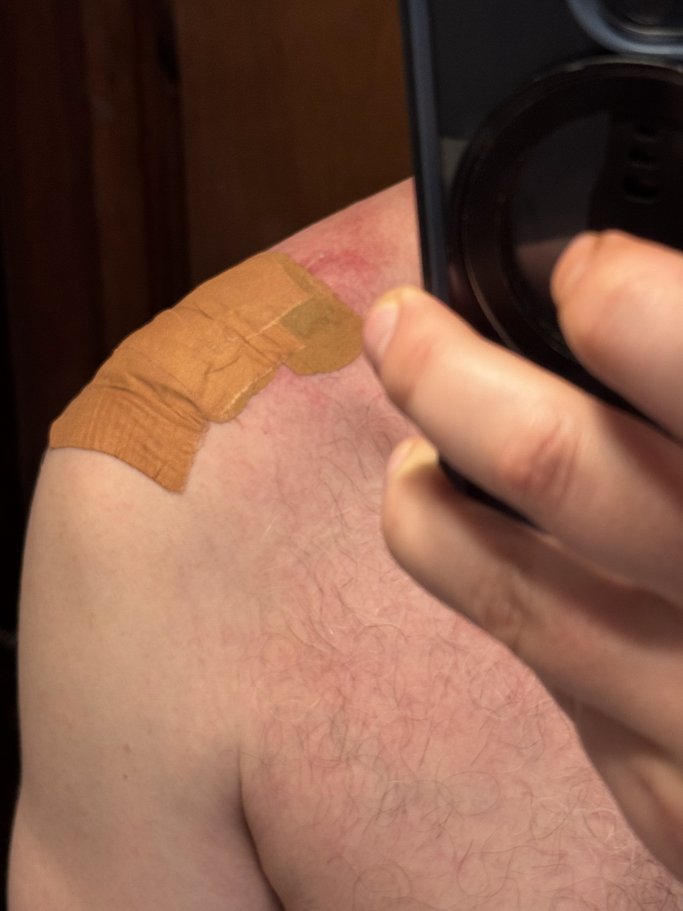
After wounding his right shoulder with a poorly worn pack, Sponge used a combo of band-aids secured with Leukotape to survive the rest of his Appalachian Trail journey.
Next: Student Mode
Armed with good first aid supplies, you next have to load up that big brain of yours. While the trail can teach you many lessons along the way, there are some better taught (and learned) in advance. Some can be actual courses available online, at outfitters (like REI) or through your community - like a basic emergency first aid class or a botany class that allows you to identify edible and harmful plants. Other opportunities just involve some research and time. Entire books exist on wilderness survival and safety aspects - some tailored to specific geographic locations or trails. It's wise to learn what to do if, for example, you run out of water - or encounter a charging moose (it CAN happen).
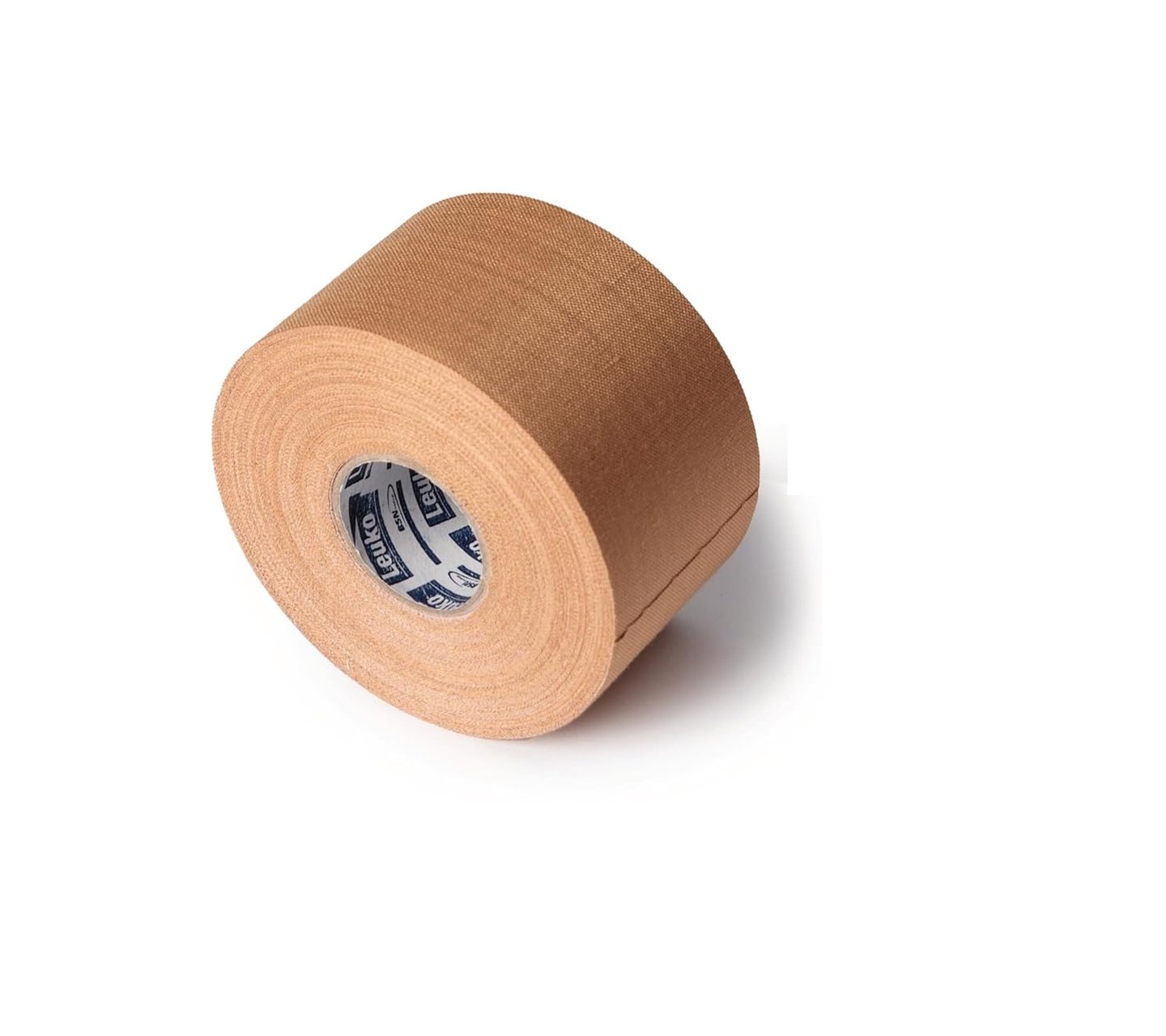
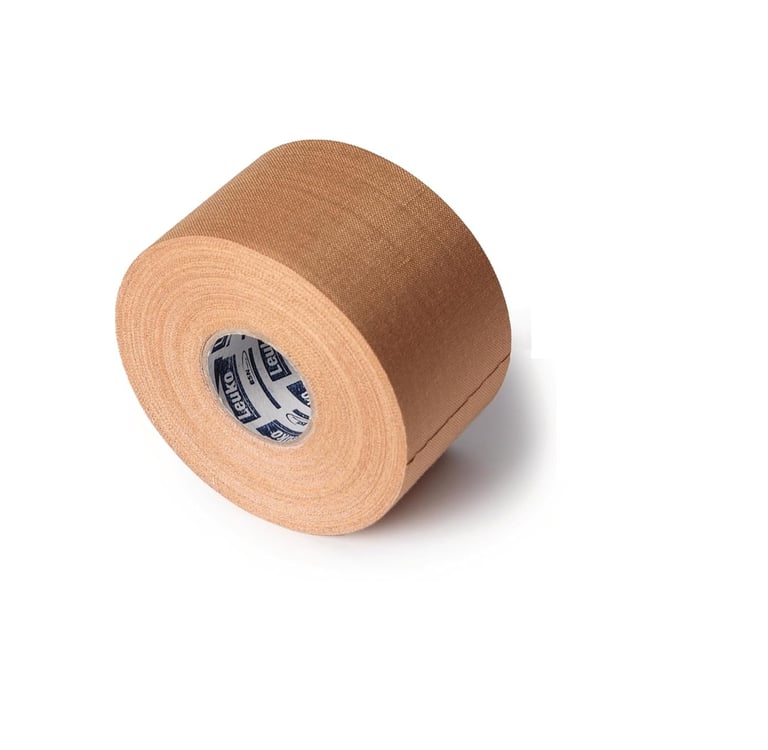
Leukotape is an INCREDIBLE item to have in your first aid kit. Want a sneaky way to always have it close? Wrap it around one of your hiking poles!
Leave a trace...
S o now that you're nearly ready to hit the big trail with your med bag and bigger, informed brain - it's time to talk about the final way to keep safe: leaving a trace. Similar to Hansel leaving a trail of breadcrumbs to follow, you'll leave a trail that WON'T be eaten by birds. Step 1 is to give your potential day-by-day schedule with a trusted friend or family member. Sure, it may change - but at least if you get hurt or go missing, there will be a general idea where people should start to look. If possible, update that same person with changes to the schedule once your trip is underway. This is 100% a worst-case safety precaution - but it's also 100% free and 100% within your control.
It is NEVER a good idea to set off on a trail without letting anyone know. Sponge gets it - sometimes its great to get away. But letting others know where you'll be (at least generally) could be a life or death decision. If badly injured or lost, hours matter.
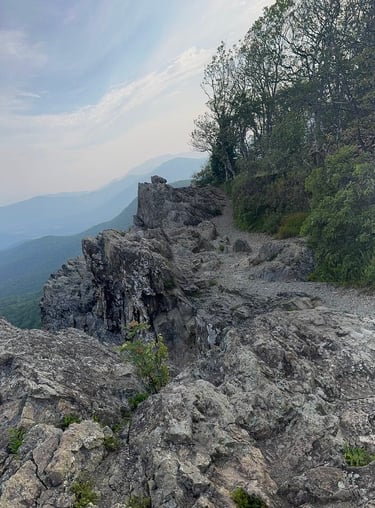
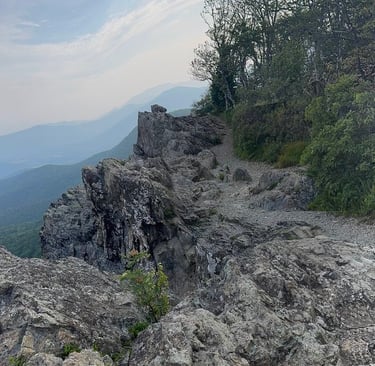
The journey can ALWAYS get harder - something to keep in mind if you must quit after a tough injury. This particular stretch of the AT would have been close to impossible with a broken ankle.
Finally, Know When to Tap Out
The final lesson of safety is also the toughest for a stubborn hiker to learn: when to quit. If you're like Sponge, you put your heart and soul into some of these journeys - sometimes training and planning months (if not years) in advance to make a trail trip happen. So what happens if , while going downhill, you twist your ankle and hear a dreadful pop ? With the immediate and recognizable pain flaring up, you recognize a possible break or torn tendon. And aside from the obvious need to get to safety, there's the secondary question for what lies ahead.
Some would tape, numb and push on. Others would err on the side of caution and quit. And as hurtful as it may be, that group may be wisest. A bad injury can get even worse if you don't give it proper treatment and time to heal. Maybe you finish your current hike - but maybe you only make it another day down the trail and end up with a more severe injury that eliminates future trail trips. Few of us are medical doctors and can diagnosis an injury with complete accuracy - but it's important to listen to your body, especially if something seems to be getting worse. Taking a day to rest can help - but when even that doesn't do the trick, it may be time to wave the white flag.
Remember, that trail isn't going anywhere. You can pickup right where you left off, when your body is right and the experience will be more enjoyable. It's not quitting - it's taking your current safety and future trail adventures into consideration.
But don't 'quit' with the Beginner Guides - as there is only one to go: Level 5.